Source Turbo Cartridge for Heavy Duty Trucks, Industrial Engines, and Generators
Compare 30 turbo cartridge options for diesel engines including MD13 and Cummins applications. These centrifugal and axialflow units feature full floating bearings and oil cooling, with customization available to meet specific displacement and power requirements for reliable performance; compare the available evidence and request quotations based on your requirements.
Key considerations
Products List
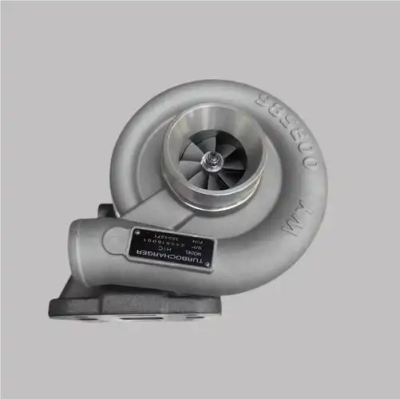


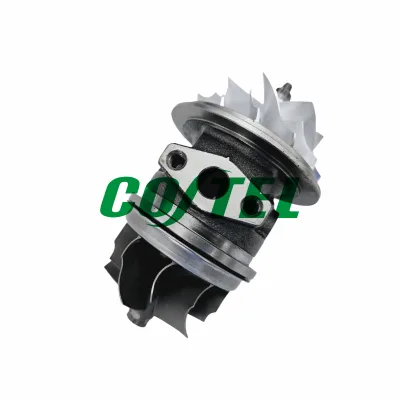

Comprehensive Sourcing Guide
Turbo Cartridge Sourcing Guide
The global market for turbo cartridge components is dominated by Chinese manufacturing hubs, where suppliers offer a wide array of centrifugal and axialflow units designed for heavy-duty diesel engines. Buyers must recognize that while the core product is a single-item unit, the specific engineering varies significantly between models like the Hx35, Hx55, and S200g, each tailored to distinct displacement and power requirements. Sourcing decisions should prioritize matching the exact engine architecture, such as the MD13 or SAA4d95le-5, to ensure the cartridge integrates seamlessly without requiring extensive modification to the existing turbocharger housing.
Procurement strategies must account for the diverse customization options available, ranging from standard neutral packing to branded packaging like Saywontec, which can influence logistics and resale value. The observed market signals indicate a flexible approach to order quantities, with Minimum Order Quantities (MOQ) starting as low as one piece, allowing for small-batch testing before committing to larger industrial orders. However, buyers should verify that the specific model number, such as VG1095118233 or sw-2011, aligns with their fleet's maintenance schedules, as the standardization of parts like the 10kg weight specification may not apply uniformly across all turbine types.
Product Scope and Observed Listing Signals
Buyers should first analyze the physical attributes of the listed units, noting that materials typically include steel bodies and iron components, which dictate the durability and thermal resistance of the cartridge. The color is consistently grey, but the critical differentiator lies in the specific model designation and the associated OEM part numbers, such as 4031507 or 49377-01700, which serve as the primary verification keys for compatibility. Understanding these signals helps distinguish between generic aftermarket replacements and precision-engineered units designed for specific displacement ranges like 3.3L or 13.0L engines.
The listing data reveals a broad spectrum of power outputs, from 68kw to 480HP, indicating that the product scope covers everything from light commercial vehicles to heavy industrial machinery. Sourcing teams must carefully cross-reference the fuel type, which is predominantly diesel, with the specific wastegate actuator requirements to ensure the cartridge can handle the necessary boost pressure. The presence of "Runoff" or "Axialflow" designations further narrows the scope, requiring buyers to confirm that the selected turbine type matches the airflow dynamics of their specific engine application to prevent performance degradation.
Technical Specifications to Verify
Verification of the bearing system is paramount, as the supply chain frequently lists "Full Floating Bearing" technology which is essential for high-speed operation and longevity. Buyers must confirm that the cooling type is oil-cooled, as this is the standard for maintaining thermal stability in high-performance diesel applications, and ensure that the balance testing report accompanies the unit to validate the high-speed balanced tested standard. Without these specific technical confirmations, the risk of premature failure due to vibration or thermal stress increases significantly, regardless of the external appearance of the cartridge.
Dimensional accuracy and model compatibility are equally critical, with specifications ranging from standard sizes to fully customizable dimensions based on customer needs. The displacement and power ratings, such as 13000 CCM for 480HP engines or 3300 CCM for 68kw units, must be matched precisely to the engine's original design parameters to avoid issues with air-fuel mixture and exhaust backpressure. Buyers should treat the listed model numbers like sw-1255 or sw-1508 as unique identifiers that encapsulate these complex engineering parameters, rather than generic labels, ensuring that the replacement part fits the physical and functional constraints of the host vehicle.
Compliance and Safety Documentation
Documentation requirements extend beyond basic product descriptions to include a comprehensive suite of certifications that validate the manufacturing quality and safety of the turbo cartridge. The market data indicates the presence of multiple certification types, including CCC, COP, ISOCE, E-Mark, RoHS, and TSETS, which collectively demonstrate adherence to international safety and environmental standards. Procurement teams must request physical copies of these certificates to verify that the specific batch of units being purchased has undergone the necessary regulatory scrutiny, particularly for markets with strict emissions or safety mandates.
Quality assurance documentation is equally vital, with suppliers often providing balance testing reports and claims of 100% testing to ensure operational reliability. Buyers should insist on seeing the actual test data rather than relying on general statements, as the "100% Test" claim must be backed by verifiable records for each unit or batch. Additionally, the warranty period of 12 months serves as a critical safety net, but its validity depends on the supplier's ability to provide proof of the quality control processes that generated the product, ensuring that the warranty is not merely a marketing term but a binding commitment to product performance.
Cost Drivers and Commercial Terms
Pricing in the turbo cartridge market is highly variable, with observed ranges spanning from $0.01 to $4700, driven by factors such as engine displacement, power output, and the complexity of the turbine design. Buyers must understand that the lowest price points often correspond to smaller displacement units or generic models, while high-power applications like the 13.0L engines command premium pricing due to the specialized materials and rigorous testing required. It is essential to evaluate the total cost of ownership, including shipping methods like ocean freight or express air, which can significantly impact the final landed cost depending on the urgency and volume of the order.
Commercial terms regarding packaging and shipping logistics play a significant role in the overall procurement strategy, with options ranging from neutral packing to branded Saywontec packaging. The flexibility in packing allows buyers to optimize for cost or brand visibility, but it also requires clear communication to ensure that the packaging meets the specific requirements of the destination market. Furthermore, the ability to customize the product to customer needs can introduce additional costs or lead times, so buyers should clarify these variables early in the negotiation process to avoid unexpected expenses that could erode the initial savings from the base unit price.
Supplier Qualification and Quality Control
Supplier qualification should focus on the presence of recognized quality management systems, with ISO9001 and other certifications like BV, TUV, and SGS serving as key indicators of a reliable manufacturing partner. These certifications suggest that the supplier has established processes for consistent quality control, which is crucial when sourcing critical engine components like turbo cartridges where failure can lead to catastrophic engine damage. Buyers must verify that these certifications are current and applicable to the specific production lines manufacturing the requested models, ensuring that the quality standards are maintained throughout the entire supply chain.
Quality control protocols must be explicitly defined, with a strong emphasis on the "100% New" condition and the requirement for balance testing reports for every unit. The supplier's ability to provide detailed testing data, including high-speed balanced tested results, is a primary differentiator between a reputable manufacturer and a generic reseller. Procurement teams should establish a clear protocol for inspecting incoming goods, including visual checks for material integrity and verification of the full floating bearing condition, to ensure that the received products meet the stringent performance expectations required for heavy-duty diesel applications.
Long-Term Procurement Checks
Establishing a long-term procurement strategy requires regular audits of supplier performance, focusing on consistency in product quality and adherence to the agreed-upon warranty terms. Buyers should track the failure rates of specific models, such as the sw-1233 or Hx55, over time to identify any recurring issues that might indicate a shift in manufacturing quality or material sourcing. This data-driven approach allows for proactive adjustments to the supplier base, ensuring that the fleet maintains high operational availability and minimizes downtime caused by premature turbocharger failures.
Continuous verification of compliance and certification status is essential for maintaining regulatory adherence and market access over the long term. As standards evolve, suppliers must demonstrate their ability to adapt their production processes to meet new requirements, such as updated emissions standards or safety regulations. Buyers should schedule periodic reviews of the supplier's certification portfolio, including RoHS and E-Mark compliance, to ensure that the products remain eligible for sale in target markets and that the supply chain remains resilient against regulatory changes that could disrupt operations.
FAQs
What is the warranty period for turbo cartridges?
The warranty period is 12 months for these turbo cartridges. This coverage applies to the product regardless of the specific model or engine application. Buyers should verify the warranty terms with the supplier before purchase to ensure full protection against manufacturing defects during the specified timeframe.
Which certifications are available for turbo cartridges?
Available certifications include CCC, COP, ISOCE, E-Mark, RoHS, and TSETS. Additionally, BV, TUV, SGS, and ISO9001 are listed for certain models. These certifications ensure compliance with international standards and quality requirements, providing buyers with verified documentation for regulatory and safety approvals in various markets.
Can turbo cartridges be customized for specific engines?
Yes, customization is available for turbo cartridges to meet specific engine needs. The standard can be adjusted by customer requirements, and dimensions are standard or customizable. This flexibility allows buyers to source parts that precisely fit their engine models, such as MD13 or SAA4d95le-5, ensuring optimal performance.
What is the minimum order quantity for turbo cartridges?
The minimum order quantity is 1 PC for turbo cartridges. This low MOQ allows buyers to test samples or order small batches without significant commitment. It supports flexible procurement strategies, enabling businesses to acquire parts for maintenance or small-scale projects while evaluating product quality and supplier reliability before larger orders.
How are turbo cartridges tested for quality?
Turbo cartridges undergo 100% testing and balance testing reports to ensure quality. They are high-speed balanced tested and feature full floating bearings. This rigorous testing process guarantees that each unit meets performance standards, reducing the risk of failure and ensuring reliable operation in diesel engines and other applications.
What materials are used in turbo cartridge construction?
Turbo cartridges are constructed from steel and iron body materials. These durable materials ensure longevity and resistance to high temperatures and pressures. The use of steel and iron provides structural integrity, making the components suitable for demanding applications in heavy-duty vehicles and industrial machinery requiring reliable turbocharging performance.